
What is xanthelasma?
Xanthelasma are soft, yellowish patches of cholesterol-rich material that form on or around the eyelids, most often near the inner corners. They are harmless, but many people choose to have them removed because of their appearance.
When treatment may be considered
Removal is usually considered for cosmetic reasons or if the patches are enlarging. Because xanthelasma can sometimes be associated with cholesterol levels, a blood test to check your lipids may be advised.
Your consultation
Miss Paul examines the patches and surrounding skin, discusses the removal options suitable for their size and location, and explains realistic outcomes — including the possibility that xanthelasma can recur.
Your treatment
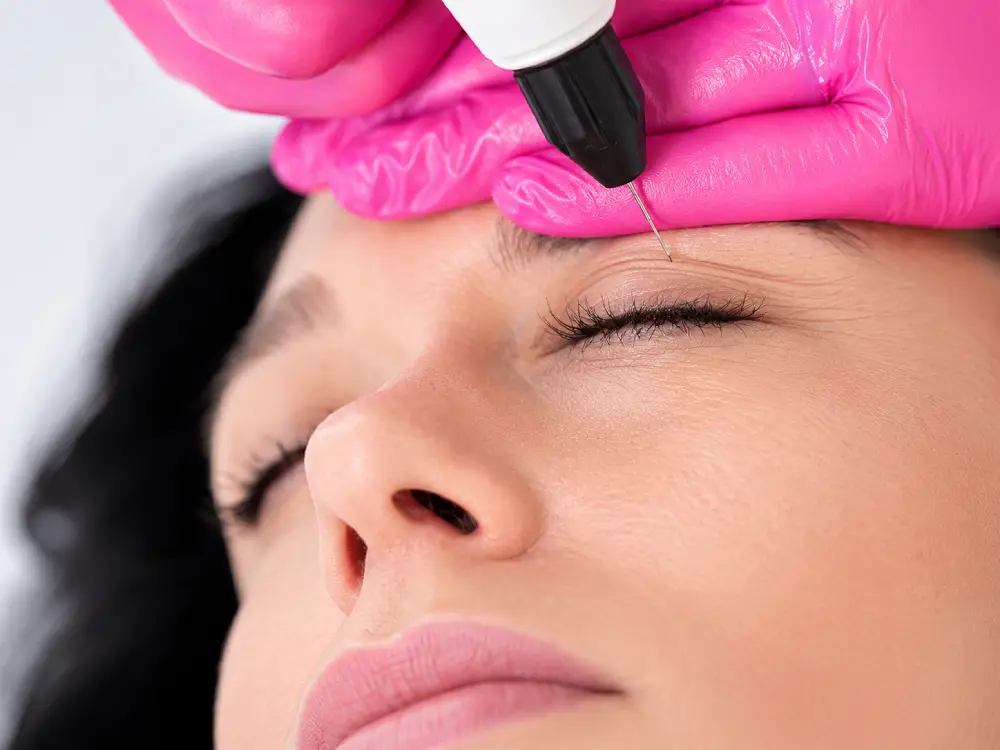
Depending on the size and position of the patches, treatment may involve careful surgical removal or another appropriate technique, usually under local anaesthetic.
Recovery
There may be some bruising and swelling that settles over days to weeks, and you will be given aftercare advice. Recovery varies between individuals.
Risks and complications
Risks can include scarring, changes in skin colour, recurrence or, rarely, other issues. Miss Paul will discuss these with you before treatment.
Why choose Miss Anita Paul
Miss Anita Paul combines specialist eyelid expertise with attention to a natural cosmetic result, and can advise on the underlying health considerations linked to xanthelasma.