
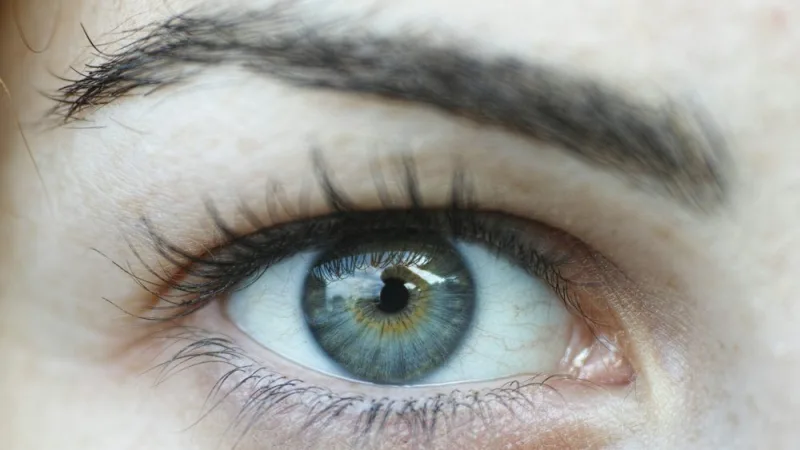
Expert Assessment & Treatment for Hooded Eyelids by Miss Anita Paul
As we age, the delicate skin around our eyes naturally loses elasticity, causing excess skin to accumulate on the upper or lower eyelids. This condition, known as dermatochalasis, is commonly referred to as hooded eyelids. While many people consider it a cosmetic concern, excess eyelid skin can also interfere with vision, cause eye fatigue, and make everyday activities such as reading or driving more difficult.
Miss Anita Paul offers comprehensive assessment and personalised treatment for dermatochalasis, helping patients improve both the function and appearance of their eyelids. Whether your concerns are medical, functional, or aesthetic, treatment is carefully tailored to restore a more youthful appearance while maintaining the natural expression of your eyes.
What is Dermatochalasis?
Dermatochalasis is the medical term for loose, stretched, or excess skin around the eyelids. It most commonly affects the upper eyelids but can also occur beneath the eyes.
Over time, the muscles and connective tissues supporting the eyelids weaken, allowing skin to fold over the natural eyelid crease. In more advanced cases, the excess skin can partially block the upper field of vision and make the eyelids feel heavy throughout the day.
Although ageing is the most common cause, genetics, sun exposure, smoking, and lifestyle factors can also contribute to earlier development.
Symptoms of Dermatochalasis
Many patients initially seek advice because they are unhappy with the appearance of tired or heavy-looking eyes. However, dermatochalasis often causes functional symptoms as well.
Common symptoms include:
- Hooded or drooping upper eyelids
- Excess skin hanging over the eyelashes
- A heavy sensation around the eyes
- Reduced upper peripheral vision
- Difficulty reading or driving due to obstructed vision
- Eye fatigue, particularly later in the day
- Frequently raising the eyebrows to improve vision
- Difficulty applying eye makeup
- A tired or aged facial appearance
If excess eyelid skin is interfering with your vision or daily activities, a specialist assessment is recommended.
What Causes Hooded Eyelids?
Dermatochalasis usually develops gradually as part of the natural ageing process. Common contributing factors include:
- Age-related loss of skin elasticity
- Weakening of eyelid muscles and connective tissue
- Genetic predisposition
- Long-term sun exposure
- Smoking
- Significant weight fluctuations
- Previous eyelid swelling or inflammation
Although dermatochalasis is not usually harmful, it can significantly affect both vision and self-confidence.
How is Dermatochalasis Diagnosed?
During your consultation, Miss Anita Paul performs a comprehensive examination to determine whether your symptoms are caused by excess eyelid skin or another eyelid condition.
Your assessment may include:
- Detailed medical and ophthalmic history
- Comprehensive eye examination
- Eyelid measurements
- Assessment of eyelid muscle function
- Visual field testing if vision is affected
- High-quality clinical photography where appropriate
This careful evaluation ensures that treatment is tailored to your individual needs and expected outcomes.
Treatment for Dermatochalasis
Treatment depends on the severity of the condition and whether it is affecting vision, comfort, or appearance.
Observation
If symptoms are mild, regular monitoring may be appropriate.
Upper Lid Blepharoplasty
For patients with significant excess skin, upper eyelid blepharoplasty is the most effective treatment.
This procedure involves carefully removing excess skin—and, where appropriate, small amounts of fat—to restore a smoother, more defined eyelid contour. The surgery not only creates a fresher appearance but can also improve peripheral vision when excess skin obstructs the visual field.
The procedure is usually performed under local anaesthetic as a day-case surgery, allowing patients to return home on the same day.
Recovery After Blepharoplasty
Recovery following eyelid surgery is generally straightforward. Patients may experience:
- Mild swelling
- Bruising around the eyes
- Temporary tightness of the eyelids
- Mild discomfort
These symptoms usually improve within one to two weeks. Most patients return to work and everyday activities after approximately 7–14 days, depending on individual healing.
As swelling settles, the eyelids appear more open, refreshed, and natural, with improvements continuing over the following months.
Why Choose Miss Anita Paul for Dermatochalasis Treatment?
Miss Anita Paul combines extensive ophthalmic expertise with a specialist interest in eyelid surgery and periocular rejuvenation. Her background as a Consultant Ophthalmologist allows her to carefully assess not only the cosmetic appearance of the eyelids but also their essential role in protecting the eyes and maintaining healthy vision.
Every treatment is planned with precision, ensuring natural-looking results while preserving eyelid function and facial harmony. Miss Paul understands that each patient has unique concerns and takes time to explain all available options before recommending the most appropriate approach.
Patients choose Miss Anita Paul because she offers:
- Specialist expertise in eyelid disorders
- Individualised treatment planning
- Functional and cosmetic assessment
- Natural-looking surgical outcomes
- Advanced surgical techniques
- Compassionate, patient-centred care
- Comprehensive aftercare and follow-up
Her goal is to restore confidence, improve comfort, and achieve results that enhance both vision and appearance.
Book a Hooded Eyelid Consultation
If heavy or drooping eyelids are affecting your vision, comfort, or confidence, a specialist assessment can help determine the most appropriate treatment.
Book a consultation with Miss Anita Paul for a comprehensive eyelid evaluation and personalised management plan. Whether your concern is functional or cosmetic, expert care can help restore clearer vision, refreshed eyes, and a naturally rejuvenated appearance.