
What is a cataract?
A cataract is a clouding of the eye’s natural lens, which sits behind the pupil and helps focus light onto the retina. As the lens gradually becomes less clear, vision can turn misty or blurred, colours may look faded, and many people notice increased glare from lights or sunlight. Cataracts are very common and usually develop slowly as part of the natural ageing process, although they can occur earlier for other reasons.
When cataract surgery may be considered
Surgery is generally considered when a cataract begins to affect your day-to-day life — for example difficulty reading, driving, recognising faces or managing at work or hobbies. There is no need to wait until a cataract is “ripe”. The decision is a personal one, made together with your consultant after assessing how your vision is affecting you and whether surgery is appropriate for your eyes.
Your consultation
Your consultation begins with a detailed discussion of your symptoms, general health and any medications. Miss Paul will examine your eyes and carry out measurements (biometry) to plan surgery and help select a suitable lens implant. This is also the time to talk through your visual goals and any questions, so you feel fully informed before deciding whether to proceed.
Your treatment
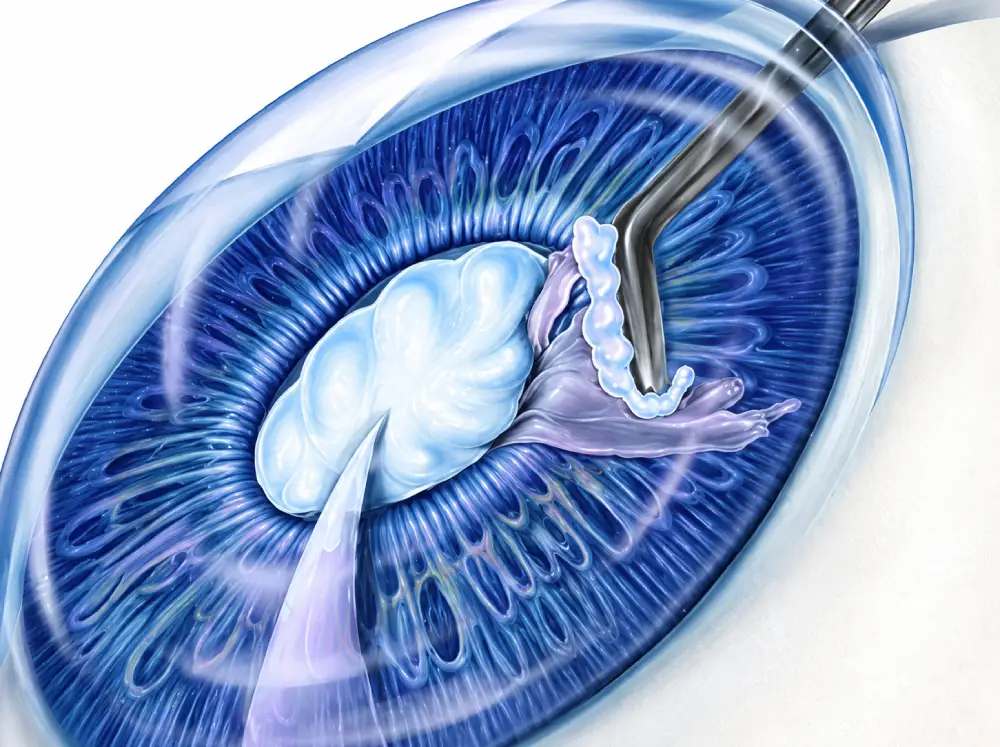
Cataract surgery is one of the most commonly performed operations and is usually carried out as a day case under local anaesthetic, so you are awake but the eye is numbed. Through a very small incision, the cloudy lens is gently broken up and removed (a technique called phacoemulsification) and a clear artificial lens implant (an intraocular lens, or IOL) is placed in its position. The procedure typically takes around 15–30 minutes per eye, and each eye is normally treated on a separate occasion.
Lens options
A range of intraocular lens implants is available, from standard monofocal lenses to premium options that can reduce dependence on glasses for some activities. The most suitable choice depends on your eyes, lifestyle and priorities. Miss Paul will explain the realistic benefits and limitations of each so you can make an informed decision — the comparison guide below summarises the main types.
Recovery
Many people notice clearer vision within a few days, though recovery varies from person to person and vision can continue to settle over several weeks. You will usually be given anti-inflammatory and antibiotic eye drops to use for a period after surgery, along with advice on activities to avoid while the eye heals. A follow-up appointment is arranged to check your progress.
Risks and complications
Cataract surgery is generally safe and serious complications are uncommon, but no operation is entirely without risk. Possible issues can include inflammation, infection, raised eye pressure, swelling, or the need for further treatment; a clouding of the membrane behind the lens can also develop later and is easily treated with a quick laser procedure. Miss Paul will discuss the risks relevant to your eyes during your consultation so you can weigh them against the potential benefits.
Why choose Miss Anita Paul
Miss Anita Paul is a UK consultant ophthalmologist with extensive experience in modern cataract and lens surgery. Care is consultant-led from your first consultation through to your treatment and follow-up, with a calm, unhurried approach and clear information at every step so you can make confident, well-informed decisions about your eyes.