
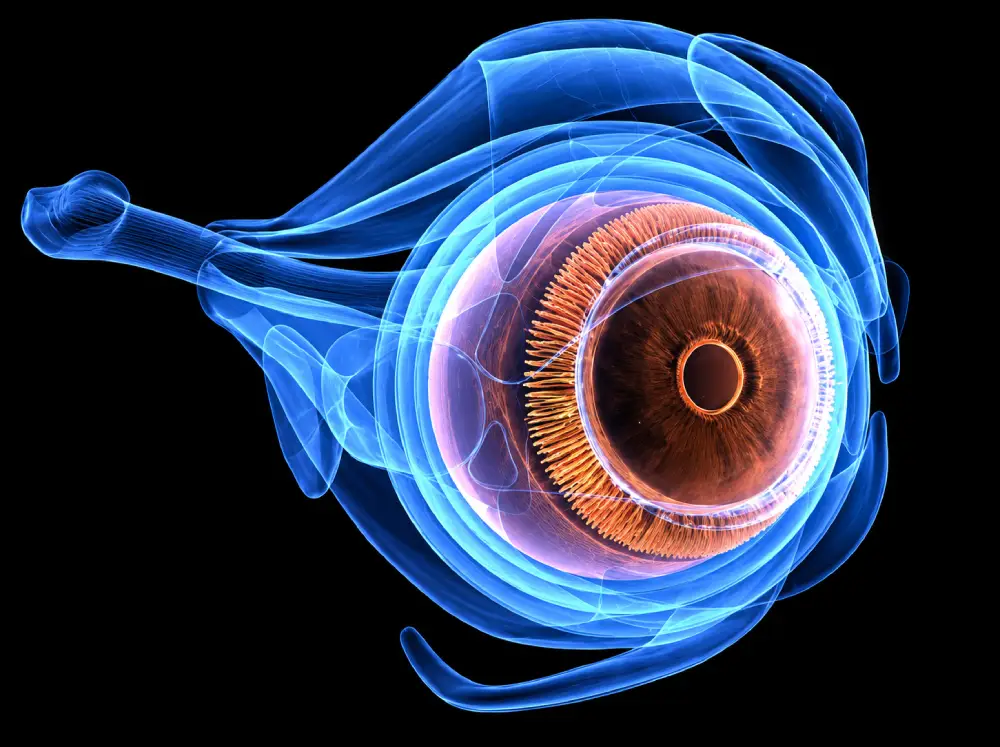
What is glaucoma?
Glaucoma is a group of eye conditions in which the optic nerve — which carries visual information from the eye to the brain — becomes damaged, often in association with raised pressure inside the eye. It usually develops slowly and painlessly, and because it tends to affect peripheral (side) vision first, many people are unaware of it in the early stages. Early detection and ongoing management are important to help protect vision.
When treatment may be considered
Treatment is considered when assessment shows raised eye pressure, optic nerve changes or a loss of visual field, or a combination of these, that place your sight at risk. The aim of treatment is to lower eye pressure and slow or prevent further damage. Because glaucoma is a long-term condition, regular monitoring is an essential part of care.
Your consultation
Your consultation includes a review of your symptoms, family history and general health, followed by a detailed eye examination. This may involve measuring the pressure inside the eye, examining and imaging the optic nerve, and testing your field of vision. These assessments help confirm the diagnosis, gauge the type and stage of glaucoma, and guide the most appropriate management.
Your treatment
Management is tailored to the individual and usually aims to lower eye pressure. This may involve prescription eye drops, laser treatment, or in some cases surgery, depending on the type and severity of the condition. Miss Paul will explain the options relevant to you and agree a plan together, with ongoing review to check that the condition remains stable.
Recovery
Many glaucoma treatments are aimed at long-term control rather than a one-off cure, so “recovery” usually means settling into a treatment and monitoring routine. Where laser or surgery is used, you will be given specific aftercare advice. Recovery and response to treatment vary between individuals, and regular follow-up helps keep the condition under control.
Risks and complications
All treatments carry some risks, which vary according to the approach used — for example temporary irritation from drops, or, with laser or surgery, inflammation, changes in eye pressure or the need for further treatment. Left untreated, glaucoma can lead to permanent loss of vision, which is why monitoring and treatment are so important. Miss Paul will discuss the balance of risks and benefits for your situation.
Why choose Miss Anita Paul
Miss Anita Paul has specialist experience in the assessment, diagnosis and ongoing management of glaucoma. Care is consultant-led and personalised, with careful monitoring and clear explanations at each stage so you understand your condition and feel supported in protecting your vision over the long term.